AI & Automation · Mumbai, India
AI & Automation for teams in Mumbai
Mumbai operators tend to care about reliability, audit-minded process, and whether the vendor will still pick up the phone after launch. We build product and platform work with that bar: explicit scope, environments you can explain, and support that is a retainer — not a disappearing WhatsApp thread. We are not a Mumbai branch office. Model-backed features and workflows that sit inside real products — with evals, failure modes, and ownership considered.
Discovery plus a focused build slice — often a few weeks for a first production path when the workflow is clear.
Mumbai is IST. Same-day collaboration is normal; evening release windows are scheduled, not improvised.

Problem
Demos are cheap. Production AI is not a prompt file.
Teams ship chat UIs without retrieval strategy, cost controls, or a path when the model is wrong. A weekend prototype is not an operating system for untrusted output.
Without evals and fallbacks, “AI features” become a support queue with extra latency. Operators stop trusting the product — and they should.
Solution
Automate the workflow — constrain the model.
We embed AI where it earns its keep: clear inputs, observable outputs, human fallbacks, and product surfaces operators trust. The model is a component, not the architecture.
Cost, latency, and failure modes are design inputs. If a workflow does not need a model, we will say so and automate it without the theatre.
Who this is for
A fit when the problem looks like this.
- Product teams who need a model feature inside an existing app — not a standalone chatbot landing page
- Operators drowning in repetitive workflows that have clear inputs and a human fallback
- Founders who want retrieval, tools, and evals — not a prompt pasted into production
- Teams who will measure quality instead of demanding a magical accuracy guarantee
Capabilities
What we deliver in this practice.
- Workflow automation and agent-style orchestration as scoped
- Model feature design inside existing products
- Retrieval and tool-calling patterns where they actually help
- Eval and failure-handling baselines
- Cost and latency awareness in the architecture
- Human review queues for high-stakes outputs
- Instrumentation hooks for quality and spend signals
Process
How this service actually runs.
01
Name the workflow
Inputs, outputs, stakes, and whether a model belongs here at all. Some automations should stay deterministic.
02
Constrain the system
Retrieval, tools, permissions, and fallbacks. The model does not get unconstrained access to your data or your users.
03
Build the production path
Integrated into your product and data boundaries — not a parallel demo environment that never ships.
04
Measure and fallback
Evals, logging, and a human path when the model is wrong or expensive.
05
Operate
Notes for prompts, tools, and cost so the feature does not rot the week after launch.
Every serious build still follows the studio path — Discover through Improve. See the full studio process.
Technology
Stack we typically reach for here.
- Python
- TensorFlow
- Node.js
- PostgreSQL
- React
- Docker
Deliverables
What you leave with.
- Integrated automation or model feature for the agreed workflow
- Operating notes for prompts, tools, and failure paths
- Instrumentation hooks for quality and cost signals
- Human fallback or review path where stakes require it
- Eval baseline so “it feels smarter” is not the only test
Outcomes
What this is meant to change.
- A model-backed path operators can trust because failure is designed, not hoped away
- Automation that sits in the product you already run — not a notebook on someone’s laptop
- Visibility into quality and cost so the feature can be governed after launch
Teams in Mumbai
Who this page is for.
- Fintech-adjacent and operations platforms
- Media and marketplace products with real traffic shape
- Founders and COOs who want a maintainable system, not a demo
The practice itself is unchanged. Read the AI & Automation page for the full offering without a location overlay.
Selected work
Product work from this practice.

EdTech
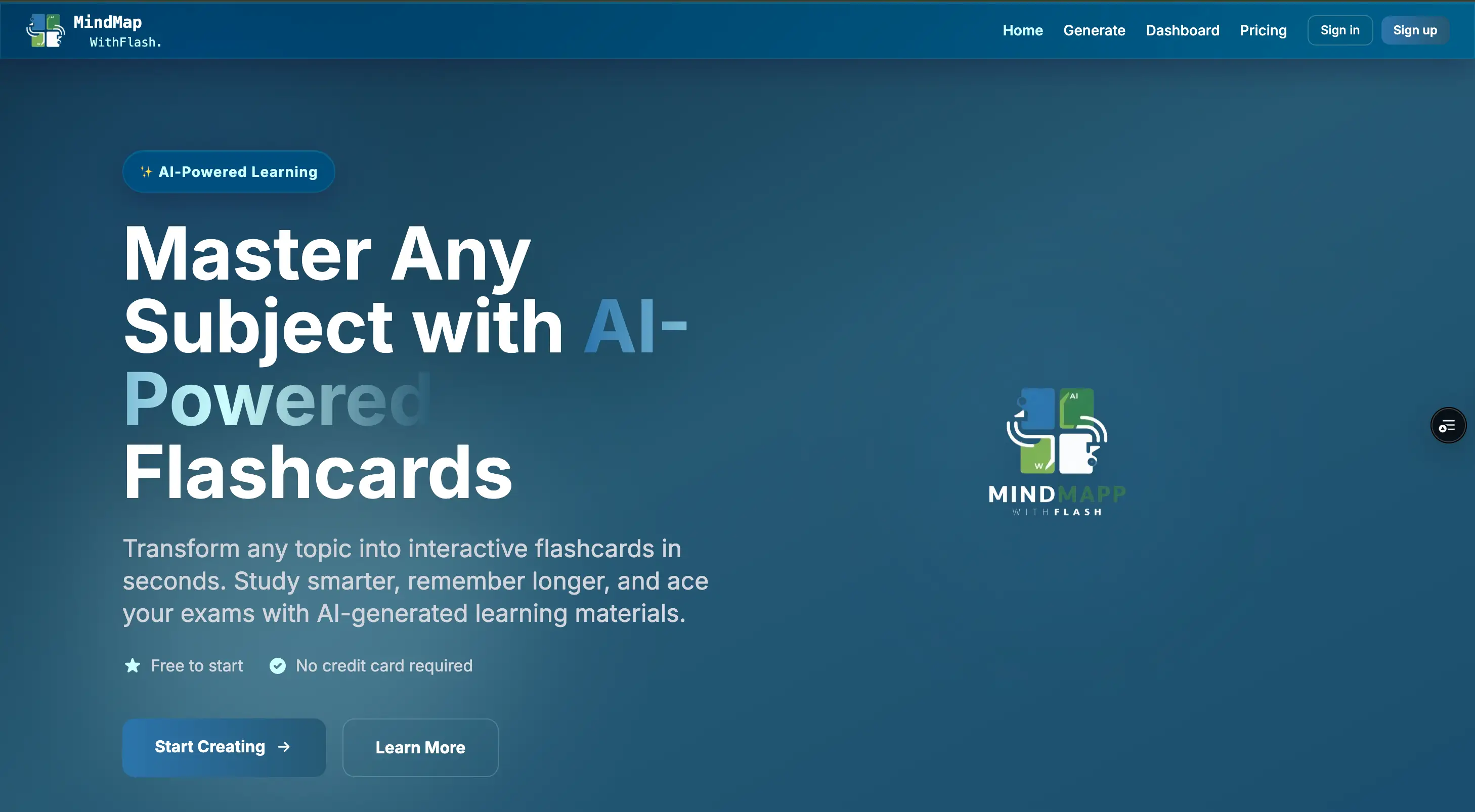
Mindmap with Flash — SaaS platform
A live SaaS product for creating and managing flashcard sets with subscription billing.
Read the study
FinTech
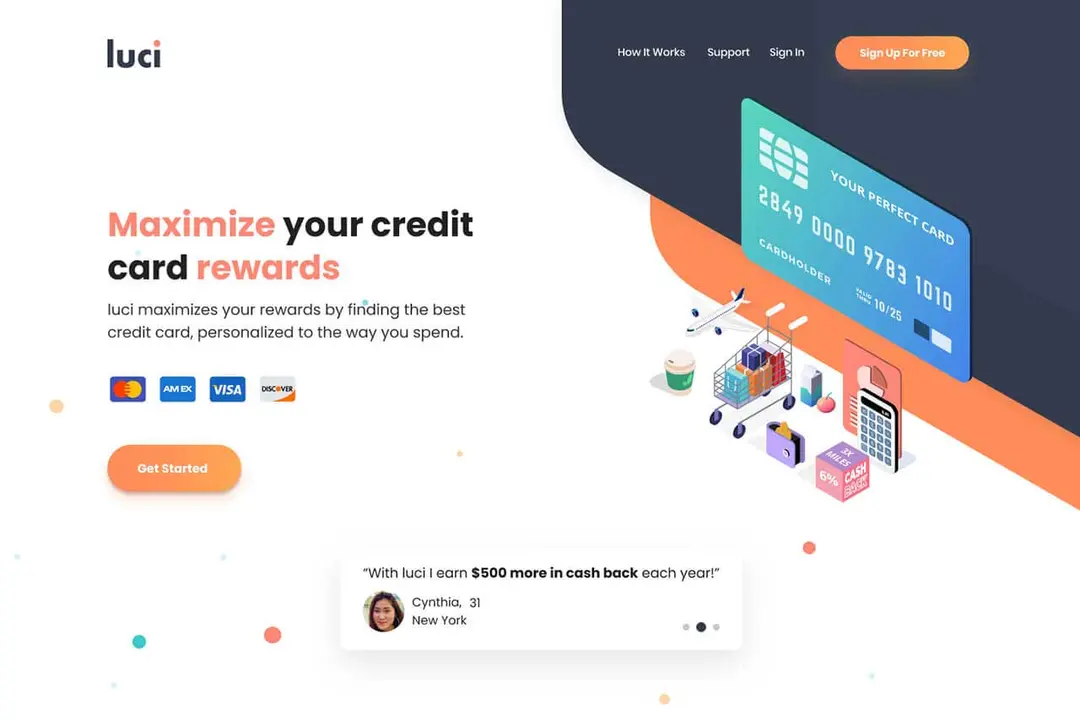
Luci — Credit card rewards platform
Users get personalized card recommendations grounded in their spending patterns.
Read the study
Security
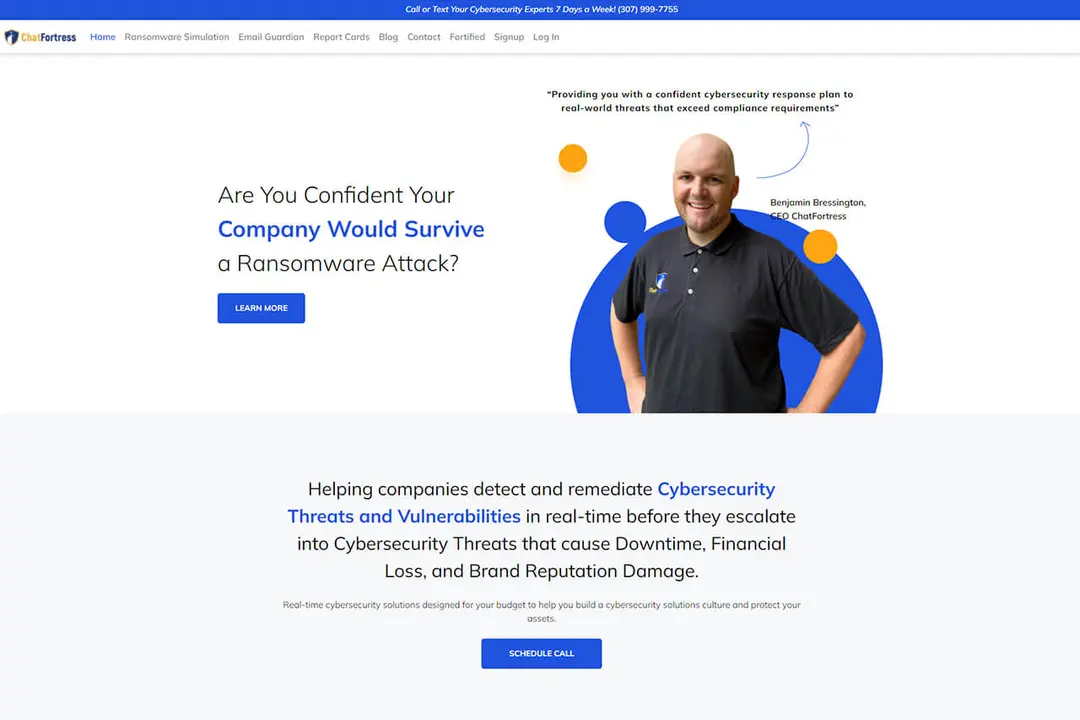
ChatFortress — Cybersecurity platform
Teams get a structured path from detection signal to remediation workflows.
Read the study
Related services
Practices that often sit beside this one.
Backend Engineering
APIs, data models, and services that stay maintainable after the first launch.
ExploreProduct Engineering
End-to-end product work: scope, build, launch, and the operating model afterward.
ExploreAPI Development
Documented, versioned APIs for products, partners, and internal tools.
Explore
Timeline
How long this usually takes.
Discovery plus a focused build slice — often a few weeks for a first production path when the workflow is clear.
Starting price
Honest commercial footing.
Quote after a written brief
Scope drives the number. You get a written proposal before build starts — not a surprise invoice after.
This practice typically sits in our Products pricing lane — still a scoped proposal, not a menu quote.
Start a ProjectFAQ
Common questions for this service.
Ready to talk through this service?
Start a project conversation — or email us with the problem you are trying to solve.