
ServiceProduct Development
API Development
APIs that partners and internal tools can trust — versioned, documented, and honest about errors.
Often a few weeks for a first useful surface when the domain is already clear.
Problem
Undocumented APIs become tribal knowledge.
Without contracts and versioning, every consumer is one breaking change away from an incident. “Just look at the code” is not a partner strategy.
Inconsistent error shapes and ad-hoc auth turn integrations into folklore. The next team rebuilds the same client against a moving target.
Solution
Treat the API as a product surface.
Clear resources, auth, pagination, error shapes, and a version story your consumers can plan around. REST or GraphQL is a choice for the consumer — not a fashion argument.
Documentation and examples ship with the surface. SDKs follow when consumers actually need them — not as a vanity artifact.
Who this is for
A fit when the problem looks like this.
- Products exposing a partner or public API that currently lives in someone’s head
- Internal platforms where multiple clients (web, mobile, jobs) need one contract
- Teams who have already broken consumers once and do not want to do it again
- Founders who need a first useful API surface when the domain is already clear
Capabilities
What we deliver in this practice.
- API design and resource modeling
- Auth and rate-limit baselines as scoped
- Versioning and deprecation strategy
- Documentation consumers can use
- Partner and internal tool integrations
- Pagination, filtering, and honest error shapes
- Example requests — SDKs when scoped
Process
How this service actually runs.
01
Name the consumers
Who calls this, from where, and what happens when we change a field. That drives REST vs GraphQL and the version story.
02
Model the resources
Clear nouns, auth, pagination, and errors. Ambiguous resources become incidents later.
03
Build the surface
Production API with the contracts we wrote — not an undocumented controller dump.
04
Document and example
A consumer should succeed without a Slack thread. SDKs only when they earn the maintenance.
05
Plan change
Version and deprecation guidance so the next breaking change is deliberate.
Every serious build still follows the studio path — Discover through Improve. See the full studio process.
Technology
Stack we typically reach for here.
- Node.js
- NestJS
- Go
- PostgreSQL
- Redis
 Node.js
 NestJS
 Go
Go PostgreSQL
 Redis
RedisDeliverables
What you leave with.
- Production API for the agreed consumers
- Documentation and example requests
- Version and change guidance
- Auth and rate-limit baseline as scoped
- Error shape and pagination that consumers can code against
Outcomes
What this is meant to change.
- Consumers who can integrate without tribal knowledge
- A version story you can defend when something must change
- Fewer incident-driven “quick” breaking changes
Selected work
Product work from this practice.
SaaS
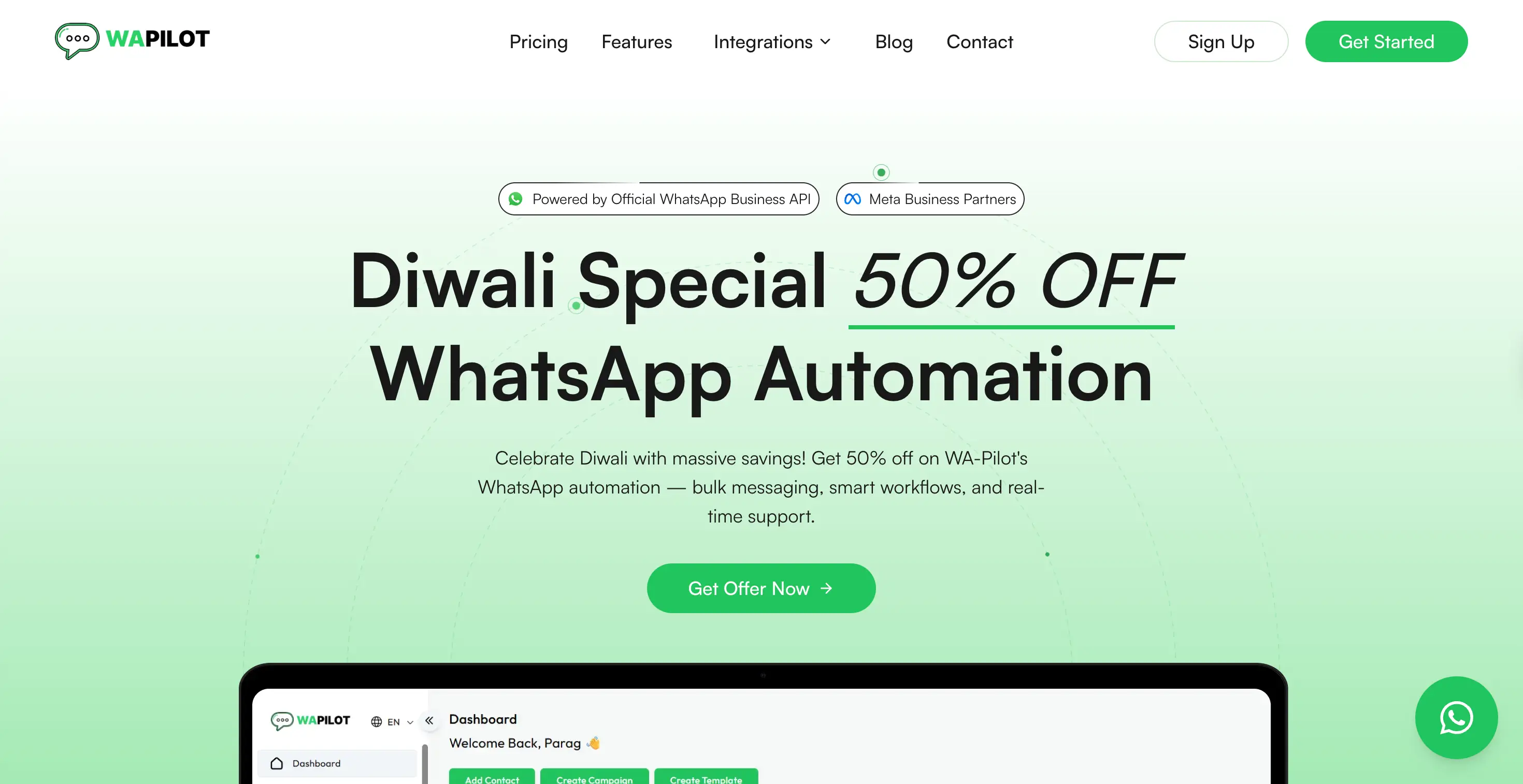
Wapilot — Next.js SaaS platform
A production SaaS surface with billing, analytics, and room to grow integrations.
Read the study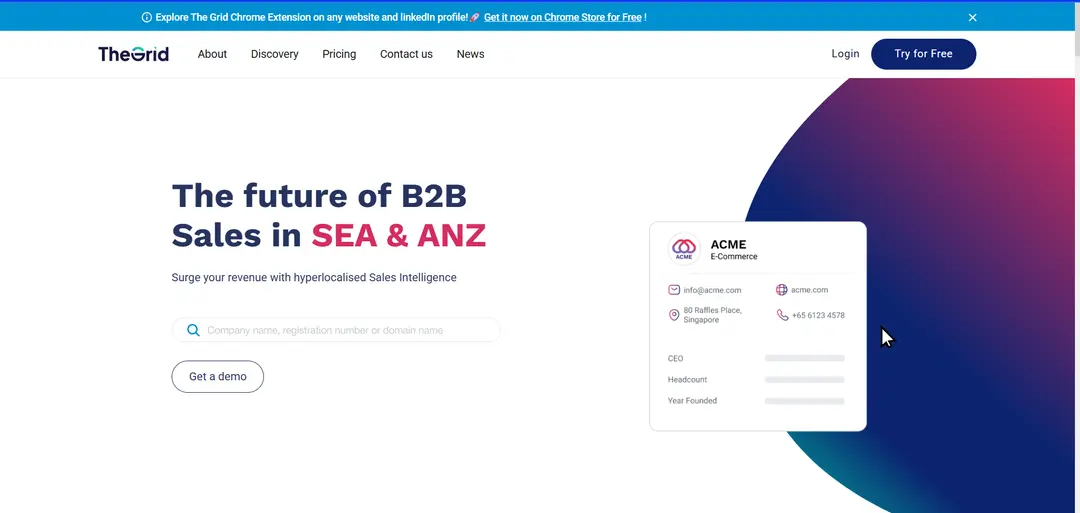
Data / Directory
SGP Grid — Business directory platform
Business listings and search live on a maintainable directory platform.
Read the study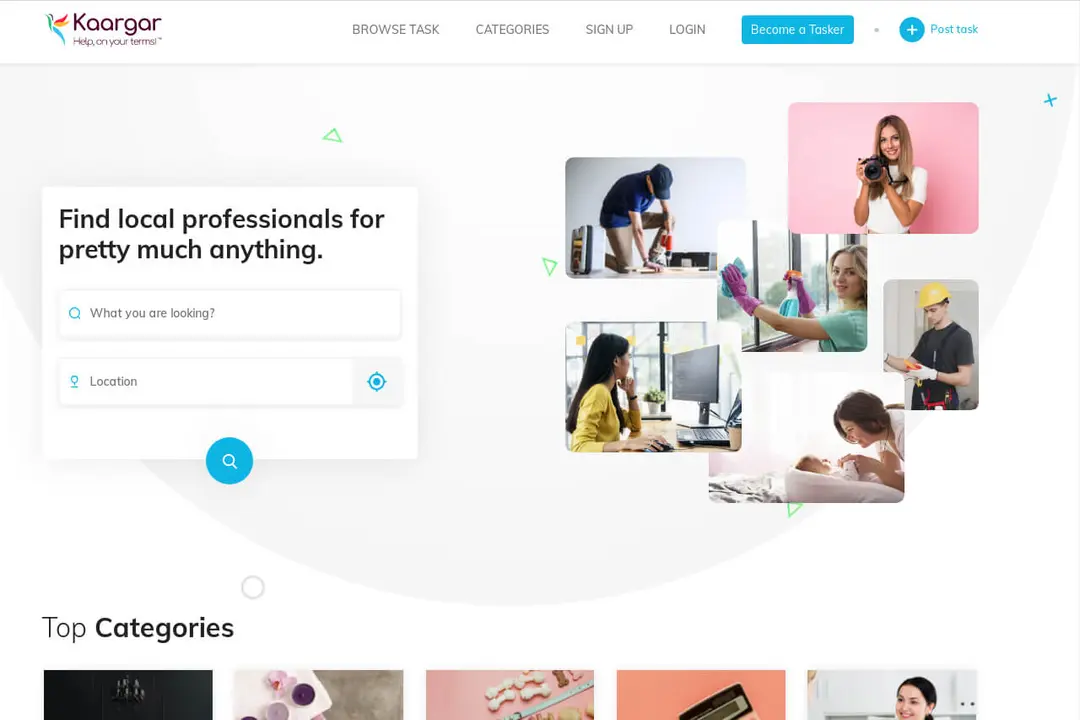
Marketplace
Kaargar — Global job platform
Task posters and professionals connect through searchable listings and chat.
Read the study
Related services
Practices that often sit beside this one.
Backend Engineering
APIs, data models, and services that stay maintainable after the first launch.
ExploreWeb Development
Custom web applications with serious architecture, not a theme stretched past its limits.
ExploreProduct Engineering
End-to-end product work: scope, build, launch, and the operating model afterward.
Explore
Timeline
How long this usually takes.
Often a few weeks for a first useful surface when the domain is already clear.
Starting price
Honest commercial footing.
Quote after a written brief
Scope drives the number. You get a written proposal before build starts — not a surprise invoice after.
This practice typically sits in our Products pricing lane — still a scoped proposal, not a menu quote.
Start a ProjectFAQ
Common questions for this service.
Ready to talk through this service?
Start a project conversation — or email us with the problem you are trying to solve.