
ServiceProduct Development
Backend Engineering
Domain models, services, and APIs built to survive the second year — not just the demo day.
Milestone-based; complexity of domain and integrations sets the pace.

Problem
Backends rot when the model is improvised.
Unclear boundaries, leaky transactions, and “temporary” tables become the product’s permanent tax. Demo-day schemas rarely survive the second integration.
When every client invents its own idea of the domain, you do not have a backend — you have a shared database with extra steps.
Solution
Model the domain. Expose clear contracts.
We build services with explicit data ownership, tested paths, and interfaces clients can depend on. Migrations are a plan, not a Friday surprise.
Language is a choice for the problem and your team’s ownership — Node, Go, Python, and related stacks as scoped. Fashion is not a requirement.
Who this is for
A fit when the problem looks like this.
- Products whose frontend has outrun a backend that was “just enough for the demo”
- Teams taking over a messy service who need stabilization before a rewrite fantasy
- Platforms that need jobs, integrity, and observability on critical paths
- Founders who want APIs their next client — web, mobile, or partner — can trust
Capabilities
What we deliver in this practice.
- Domain modeling and service boundaries
- API and background job design
- AuthN/AuthZ integration as scoped
- Data migrations and integrity thinking
- Observability for critical paths
- Stabilization and strangler patterns for existing services
- Contracts that web, mobile, and partners can share
Process
How this service actually runs.
01
Map the domain
Entities, ownership, and the transactions that must not tear. We write down what “consistent” means here.
02
Draw the contracts
APIs, jobs, and auth boundaries. Clients should not need tribal knowledge to call you.
03
Build and migrate
Services with tests on the paths that hurt. Existing data gets a migration story, not a hope.
04
Instrument the critical path
You should see failures on the journeys that make money or keep people safe.
05
Hand over ownership
Schema, contracts, and operating notes. The next engineer should not need us on speed-dial to add a field.
Every serious build still follows the studio path — Discover through Improve. See the full studio process.
Technology
Stack we typically reach for here.
- Node.js
- NestJS
- Go
- Python
- PostgreSQL
- Redis
- Prisma
 Node.js
 NestJS
 Go
Go Python
 PostgreSQL
 Redis
Redis Prisma
Deliverables
What you leave with.
- Backend services for the agreed scope
- Schema and migration approach
- API contracts and operating notes
- Auth integration as scoped
- Observability hooks on the paths we agreed were critical
Outcomes
What this is meant to change.
- A domain model that can absorb the next client without a rewrite
- Contracts web, mobile, and partners can share
- Migrations and tests on the paths that used to be folklore
Selected work
Product work from this practice.
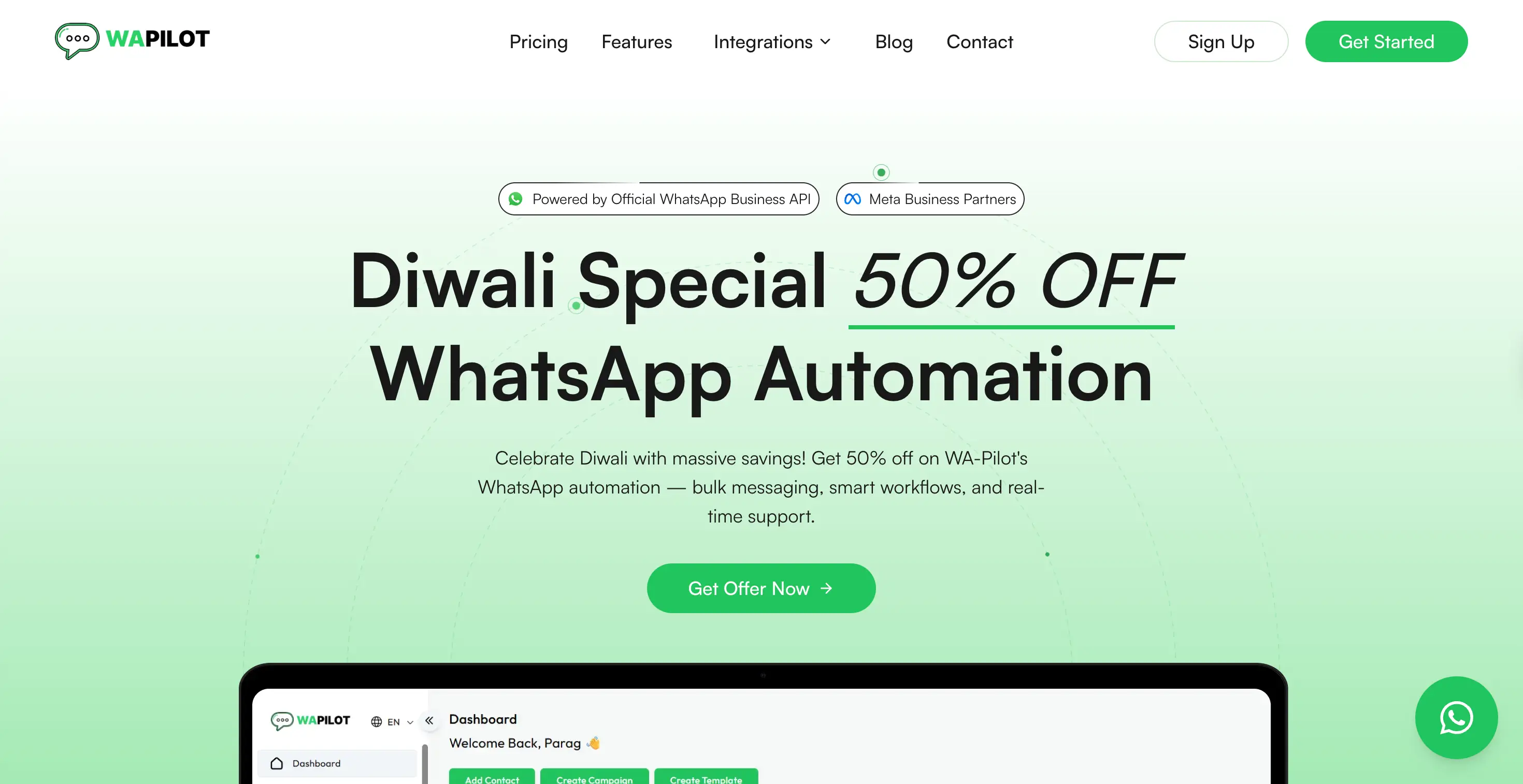
SaaS
Wapilot — Next.js SaaS platform
A production SaaS surface with billing, analytics, and room to grow integrations.
Read the study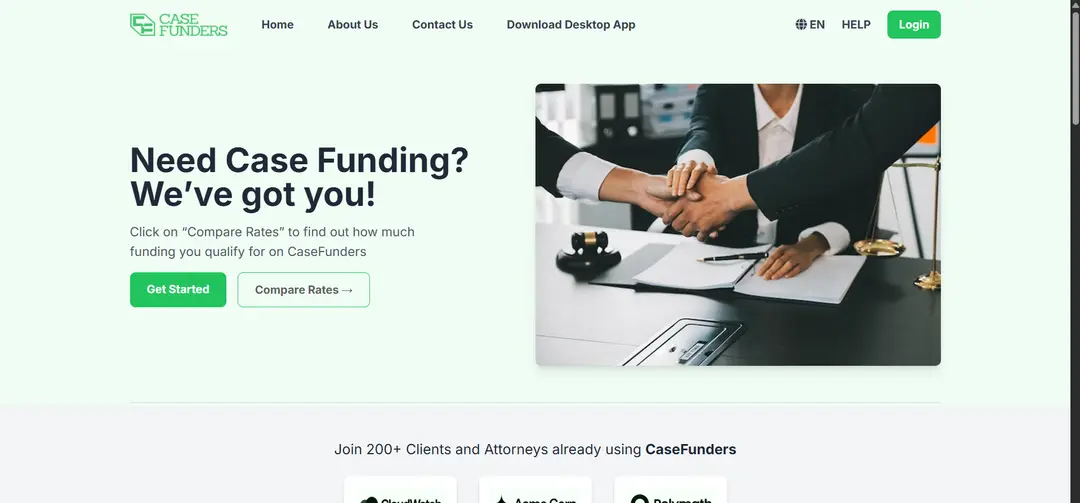
LegalTech
CaseFunder — Legal funding platform
Legal professionals manage cases and funding decisions on a maintainable, document-aware platform.
Read the study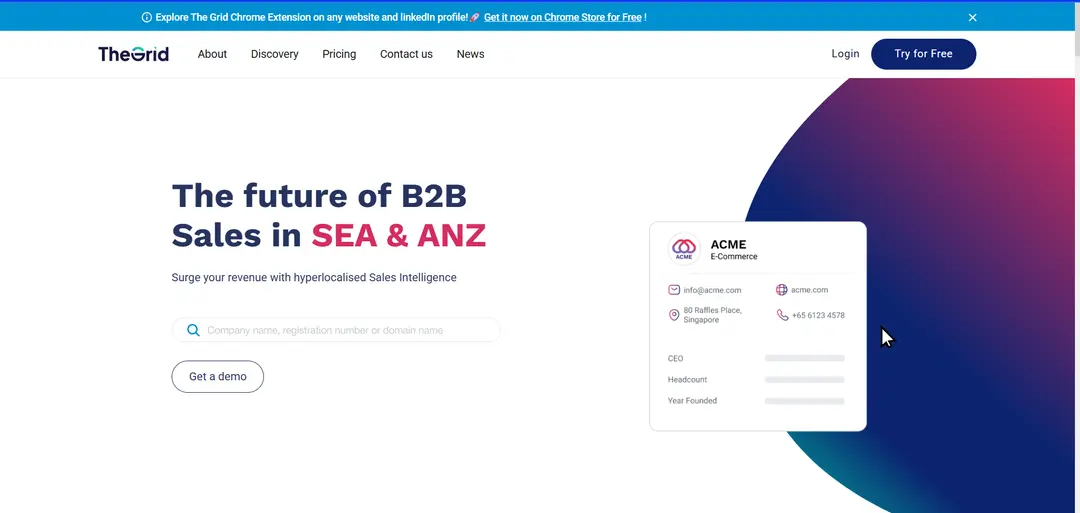
Data / Directory
SGP Grid — Business directory platform
Business listings and search live on a maintainable directory platform.
Read the study
Related services
Practices that often sit beside this one.
API Development
Documented, versioned APIs for products, partners, and internal tools.
ExploreWeb Development
Custom web applications with serious architecture, not a theme stretched past its limits.
ExploreDevOps
CI/CD, observability, and release process so shipping does not depend on one person's laptop.
Explore
Timeline
How long this usually takes.
Milestone-based; complexity of domain and integrations sets the pace.
Starting price
Honest commercial footing.
Quote after a written brief
Scope drives the number. You get a written proposal before build starts — not a surprise invoice after.
This practice typically sits in our Products pricing lane — still a scoped proposal, not a menu quote.
Start a ProjectFAQ
Common questions for this service.
Ready to talk through this service?
Start a project conversation — or email us with the problem you are trying to solve.